
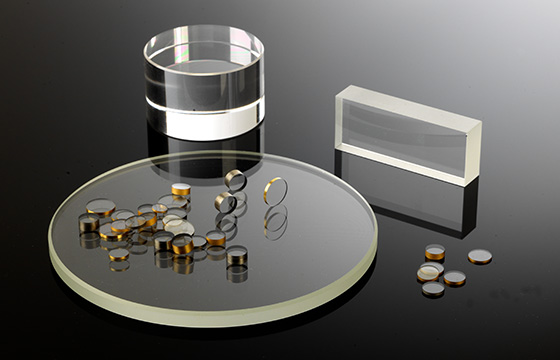
Sapphire Windows
Sapphire windows provide unparalleled durability, wide spectral transmission, and resistance to extreme conditions, making them essential in high-performance applications across various industries, from aerospace to scientific research. C-Plane Sapphire reduces birefringence and we can provide AR coatings for turn key optical applications based on MIL-SPEC standards.

Benefits of Sapphire Optical Windows

Handles High Temperatures and Pressures
Sapphire is exceptionally tolerant to extreme temperature fluctuations and pressure differences, making them ideal for use as viewports in vacuum chambers or environments containing high-temperature plasma.
Wide Transmittance Range
Sapphire windows are transparent across a broad transmission curve, from 170 nm to 5.5 µm, making them suitable for a wide array of optical applications.
Unique Sapphire Material Properties
Being a single crystal form of Al2O3, sapphire combines a set of advantageous chemical, mechanical, and optical properties. Learn About Sapphire Properties »
Chemical Resistance
Sapphire is resistant to strong acids, facilitating its use in corrosive atmospheres.
Scratch and Abrasion Resistance
With a high Knoop hardness of 1800 parallel to the optic axis and 2200 perpendicular, sapphire windows offer superior resistance to scratches and abrasion.
Sapphire Window Examples
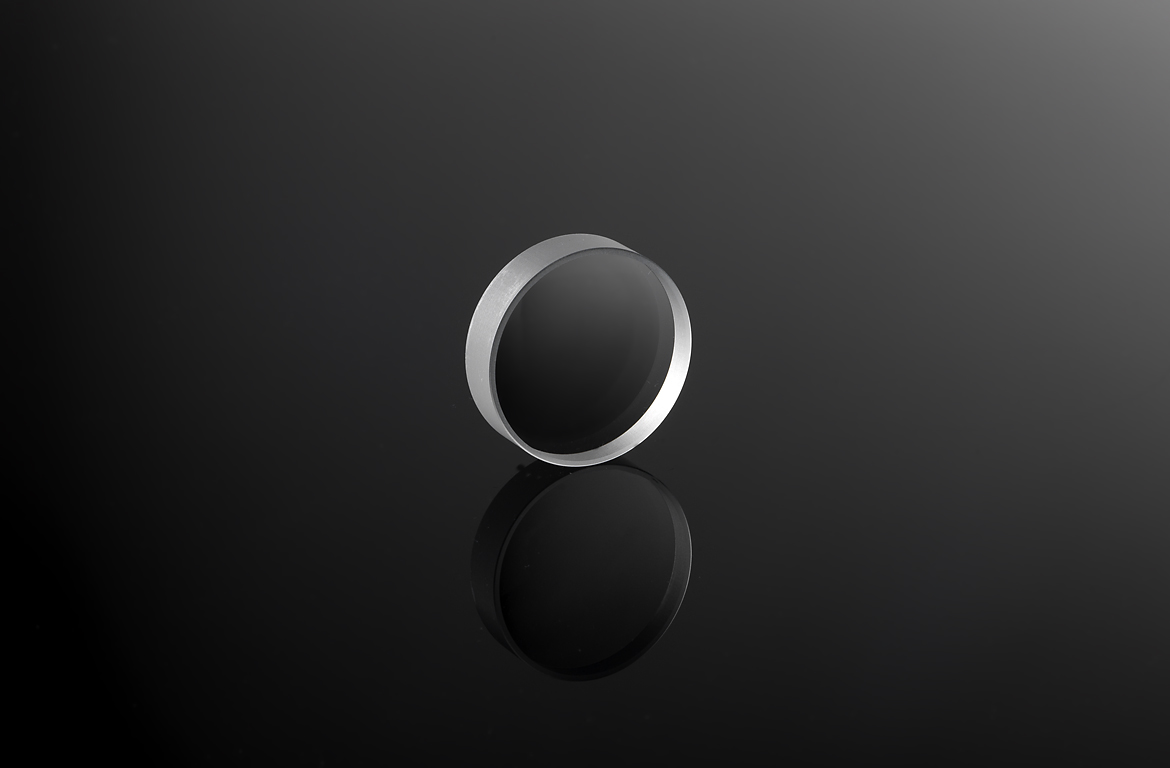
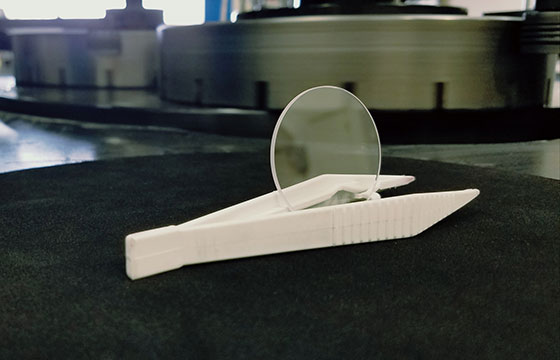
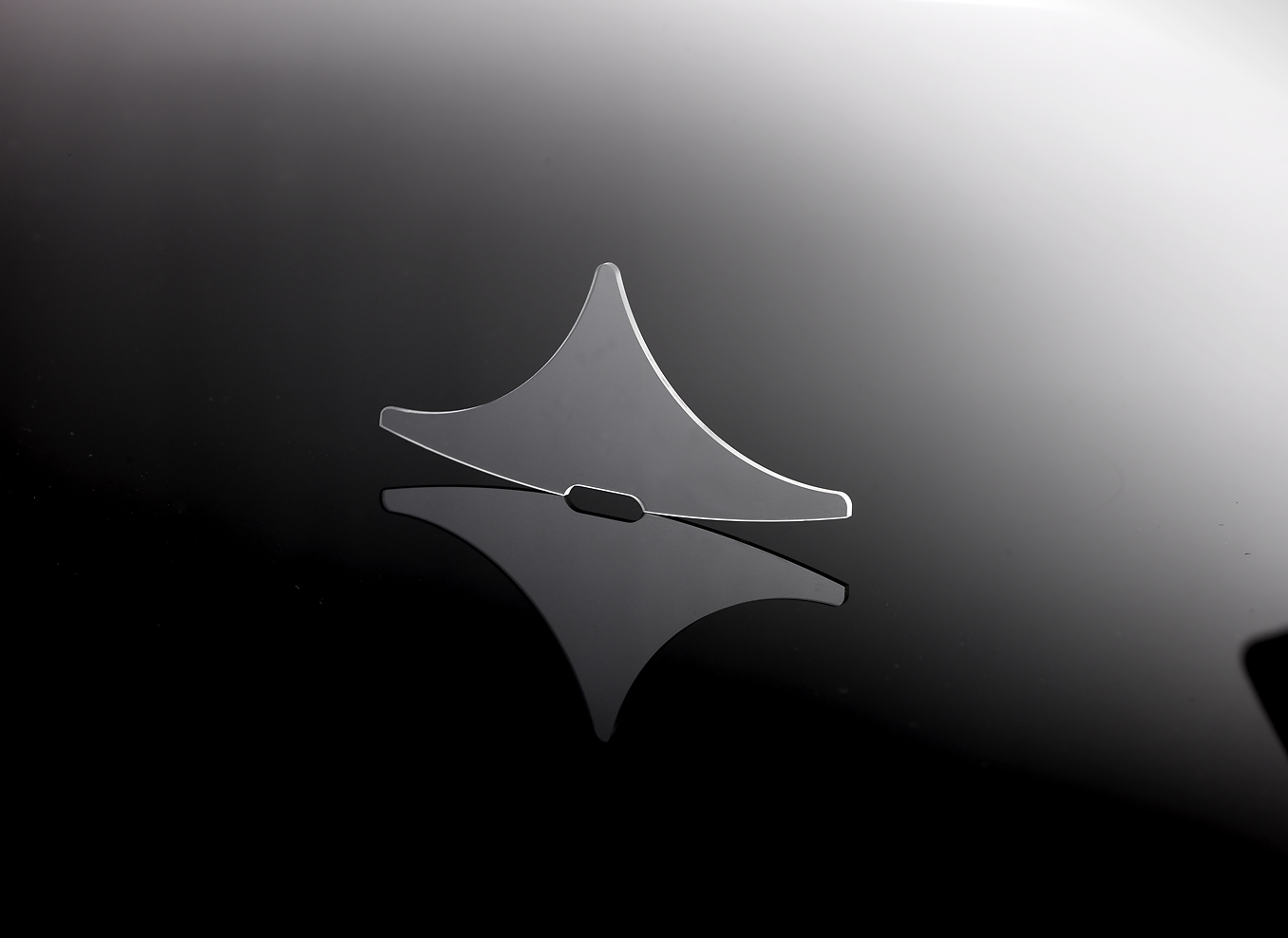
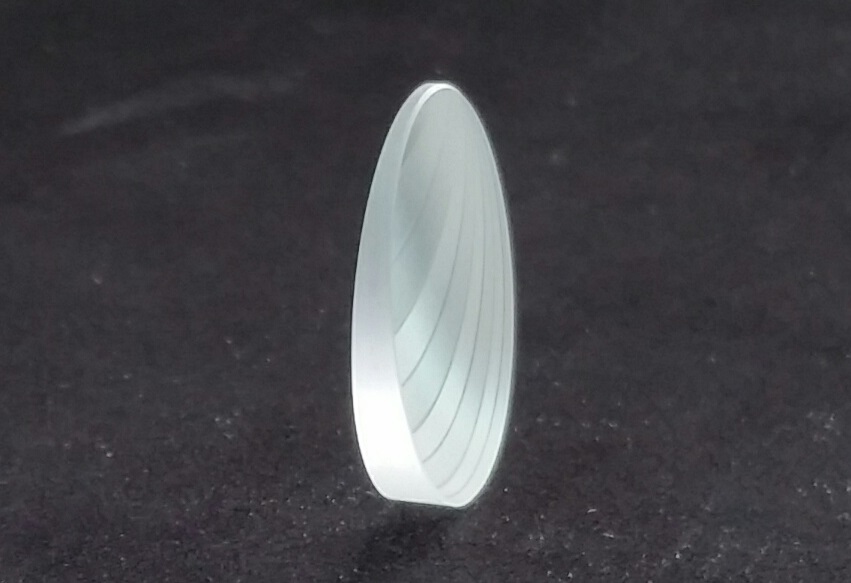
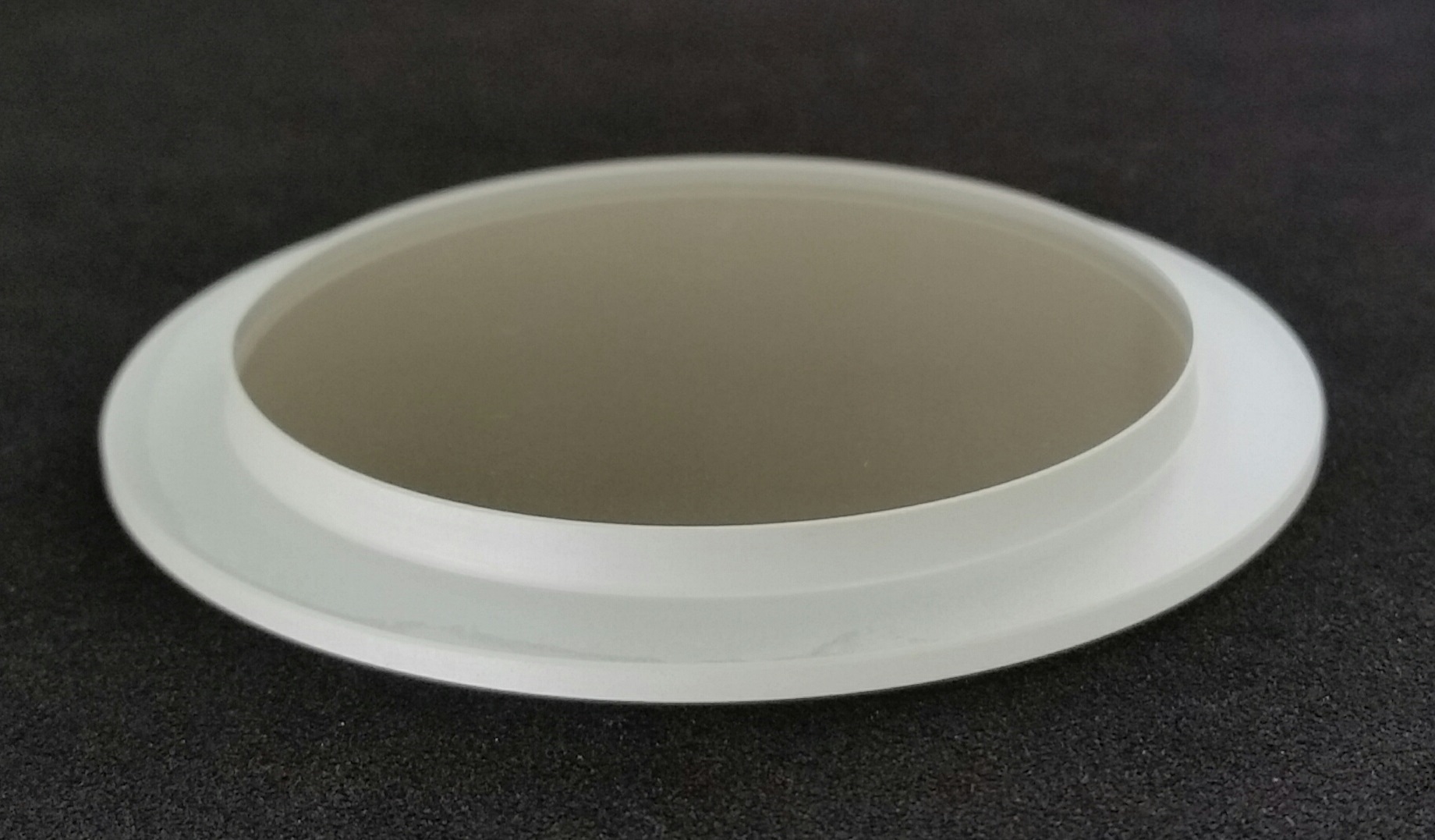
Guild Optics manufactures top-quality custom optical components.
Our precision-crafted sapphire windows protect delicate lasers, sensors, cameras, and other devices thanks to their superior strength and scratch resistance. These optical elements also work perfectly as viewports in high-pressure or vacuum situations. For pressurized enclosures, our components can be made much thinner than optical glass counterparts due to the material’s high modulus of rupture. With a MOHS hardness of 9, this crystal is second only to diamond, plus it transmits from 190nm to 5000nm, making it a great choice for UV applications and mid-wave infrared.
Click to see the Properties of Sapphire »
| Diameter: | From 1 mm (.039”) to 430mm (17”) in any optical axis |
|---|---|
| Thickness: | Varies by Diameter but can be sub millimeter and up |
| Tolerances: | ±.004" typical to ±.0005" precision |
| Flatness: | Varies by thickness but can be 1/10 wave or better if needed |
| Parallelism: | Varies by size but can be as tight as 1 arc second |
| Surface Quality: | 60/40 or as detailed as 10/5 Scratch/Dig |
| Quantities: | From singles to full large scale production runs |
| Alternate Materials: | Bk7, Fused Silica, Quartz, and Optical Glass |
Frequently Asked Questions
What is a sapphire window?
A transparent component made from synthetic aluminum oxide crystal known for exceptional hardness and durability. These optical elements resist scratches, thermal stress, and chemical corrosion, making them ideal for environments too harsh for standard glass. Due to their superior physical and optical properties, they’re used in scientific instruments, high-pressure vessels, aerospace applications, and electronic devices where clear, durable, and stable optical performance is crucial.
What’s the difference between C-Plane and A-Plane Sapphire?
While both are made from the same high-purity single-crystal Al2O3, the difference lies in the crystallographic orientation of the cut. Because sapphire is anisotropic (meaning its properties vary depending on direction), the plane you choose affects how the material behaves.
C-Plane (0001) Sapphire
The C-Plane is the most common orientation for optical and industrial applications. It is cut perpendicular to the C-axis of the hexagonal crystal structure.
-
Best for: Semiconductor substrates (LED growth), high-pressure windows, and general optical components.
-
Key Trait: It is non-bipolar, meaning it does not exhibit birefringence when light passes through it parallel to the C-axis. This makes it ideal for most optical window applications where maintaining the polarization state of light is important.
A-Plane (11-20) Sapphire
The A-Plane is cut parallel to the C-axis, offering a different set of physical characteristics.
-
Best for: High-frequency hybrid microelectronic substrates and specific optical applications requiring a high dielectric constant.
-
Key Trait: It provides a uniform dielectric constant and high insulation. A-Plane sapphire is also often tougher than C-plane in certain directions, making it useful for specialized mechanical components that require maximum durability against wear.
Why are sapphire windows better than glass optical windows?
These specialized optical elements hold several advantages over traditional glass, particularly in durability and performance under extreme conditions. Made from crystalline aluminum oxide, they rank 9 on the Mohs scale, just below diamond. This extreme hardness makes them highly resistant to scratching and abrasion, essential in environments where particulate matter might damage lesser materials.
Furthermore, they withstand temperatures up to 2030 degrees Celsius without losing strength or shape, making them ideal for high-temperature applications that would deform standard glass optics. They also exhibit excellent chemical resistance, withstanding exposure to corrosive substances and strong acids without surface damage, ensuring optical clarity remains intact even in harsh environments.
In addition to mechanical and thermal robustness, these components provide superior optical clarity across wavelengths from ultraviolet to near-infrared, making them versatile for various applications requiring precise light transmission. While glass is sufficient for everyday use, the demanding conditions of scientific, military, and industrial settings often require the robust features of sapphire windows. These characteristics make them the preferred choice where durability, clarity, and performance under stress are paramount.
Do sapphire windows cost more than glass windows?
Yes, they generally come at a higher cost than traditional glass options. The primary reason is the material and manufacturing processes involved. The synthetic crystal requires high temperatures and significant energy to produce, making the initial material more expensive. Additionally, machining it into precise optical components is complex; the extreme hardness, while beneficial for durability, means special equipment and techniques are required for shaping and polishing. This adds to production costs. In contrast, glass is easier and cheaper to manufacture and can be processed at lower temperatures with less specialized equipment. Although more expensive, sapphire windows are justified for applications demanding high durability, thermal resistance, and optical clarity where long-term benefits offset the initial investment.

Engineering Deep-Dive: Specifying Sapphire Windows for High-Performance Applications
Synthetic sapphire Al2O3 is the premier choice for optical windows when standard glass or fused silica cannot withstand the environment.
1. Understanding Crystalline Orientation
The orientation of the sapphire crystal during the growth process significantly impacts the optical and mechanical performance of the window.
-
C-Plane (0001): The most common orientation. It is “random” to the optical axis, making it ideal for most pressure and vacuum applications as it minimizes birefringence.
-
A-Plane (1120): Often used in specialized electronic and semiconductor applications where specific lattice matching is required.
-
R-Plane (1012): Utilized primarily in SOS (Silicon-on-Sapphire) technologies and specific industrial sensors.
2. Optical Transmission and AR Coatings
Sapphire provides an exceptionally wide transmission range, from 170 nm (UV) to 5.5 µm (Mid-Wave IR).
-
Uncoated Sapphire: Typically reflects about 15% of incident light (7.5% per surface).
-
Coated Sapphire: AR coatings can reduce this reflection to less than 0.5% for specific wavelength bands, critical for precision laser and imaging systems.
3. Mechanical Strength and Thermal Stability
With a Mohs hardness of 9 (second only to diamond), sapphire windows are virtually scratch-proof.
-
High-Pressure Viewports: Allowing for thinner windows that maintain higher safety margins than glass.
-
Aerospace Defense: Protecting FLIR and IR sensors from high-speed particulate erosion.
-
Corrosive Environments: Resistant to almost all industrial acids and alkalis.
For More Details: Visit our Sapphire Properties Tab
Start your sapphire window project today
For a quote on your custom requirements please send us your drawing or specification.